Discover how pellet architecture, polymers, coatings, particle structure, and processing can make the same API release differently in pharmaceutical pellets.
Written By
Aishwarya Salunkhe
Published on
23 September 2026
Tags
Yes. Two pharmaceutical pellets can have the same active pharmaceutical ingredient (API) yet release it differently. However, the variability may not come from the API itself, but from how the API is formulated and from pellet and particle design.
A pharmaceutical pellet can be considered a tiny delivery system in which several factors come into play. These include core formulation, drug-layer formulation, polymer choice, coating, particle size, and pellet processability.
The same API can be added to the pellet in different ways, resulting in different particle structures. In the first case, the API is placed in a layer on top of the neutral starter core, whereas in the second case, the API is spread throughout the whole pellet.
This determines how the API is positioned in the particle and how it interacts with the medium. The drug-layered pellet may receive one or more layers of functional coatings, whereas the matrix pellet may achieve the effect through the matrix itself.
The architecture design can therefore revolve around the desired release behavior. A pellet having an easily accessible drug layer could have faster drug release. In contrast, a pellet with a functional barrier or controlled-release matrix could add extra resistance to drug release.
This means the API is only part of the release mechanism. The core, drug layer or matrix, and any functional coating will make up the physical route through which the API is released.
A functional coating can act as an engineered barrier between the drug-loaded core and the external environment, altering how water enters the particle and how the drug diffuses out. The coating's properties can control drug-release conditions.
All of these factors, including polymer type, coating extent, thickness, permeability, homogeneity, and physical strength, can affect the overall release profile. A coating that creates a barrier against water entry or API diffusion will retard the movement of the drug, whereas a more permeable coating can allow interaction with the drug.
Coating selection can also be based on the desired release method. Some coatings are designed to provide sustained release by controlling diffusion, while others resist dissolution in acidic environments and become soluble only at high pH.
Uniformity is another factor to consider. Coating non-uniformity creates differences between pellets.
As a result, two pellets with the same active ingredient and drug-loading percentage may have different dissolution curves depending on how each coating system was designed. This coating does more than provide a protective cover; it may also play a significant role in pellet structure design.
The polymer in the pellet can make a huge difference in how the API interacts with the surrounding medium. Polymers differ in hydropermeability, pH response, swelling, dissolution, and diffusion. Choosing the right polymer for the drug delivery system is very important.
A quick-release system requires little barrier to the surrounding medium. Sustained-release systems rely on a polymer to slow water penetration into the drug layer.
For delay or enteric release systems, another option is pH-sensitive polymers. These materials may withstand certain acidic conditions but become soluble and permeable as pH changes, allowing drug release further down the gastrointestinal tract.
When choosing a polymer, also consider its concentration, coating thickness, plasticizers, processing conditions, and the characteristics of the API and pellet core. The same polymer will behave differently depending on how it is used.
Therefore, modifying the polymer does not mean modifying only the pellet's external surface. This can affect the microenvironment around the API and the route by which the drug will be released. The API remains constant, but the surrounding artificial environment dictates how the API is released.
Pellet physical structure can affect how the environment interacts with the API and how the dissolved drug is released from the solid particles. Thus, factors like pellet size, porosity, density, surface features, and internal structure can contribute to differences in dissolution profiles.
Pellet size may affect the surface area exposed to the medium. Particles of various sizes with the same composition may differ in their surface area-to-volume relationship. However, porosity and internal particle structure may affect liquid and drug penetration into the pellets.
The structure depends on how the API is integrated into the product. For example, the release path of a drug coated onto a core differs from that of an API dispersed within the pellet matrix. In addition, a functional coating will provide another layer of separation between the drug-containing part of the pellet and the surrounding environment.
These factors allow two pellets to contain the same API and drug load but behave differently in terms of their dissolution profiles. It is not only about the quantity of API but also its structure.
Pellet properties at the end are not determined by formulation alone. Manufacturing parameters may affect the structure created during processing, which in turn affects coating, particle formation, and drug release from the system.
In drug layering, parameters such as spray rate, atomization, drying process, product temperature, and process time can affect how the drug-containing layer builds around the starter core. In extrusion-spheronization, process parameters can affect pellet properties.
Coating introduces a new set of variables that can affect the formation and properties of the functional coating. They include the spraying rate, spray atomization, coating temperature, drying process, coating weight gain, etc.
For instance, inconsistent coating conditions may lead to inconsistent coating thickness or pellet coverage. Inconsistent drying will also affect the physical properties of the formed layer.
For this reason, process control is closely related to batch-to-batch consistency. Inconsistencies in pellet physical properties are even possible despite no changes in formulation composition.
The same API can be engineered into pellets with different intended release behavior.
An immediate-release pellet may be formulated so the API becomes available quickly once the pellet contacts the surrounding environment. The formulation and particle structure usually ensure minimal obstacles to drug availability.
In contrast, a sustained-release pellet can contain a polymeric system that controls API movement over a longer period. The coating or matrix acts as a barrier to drug release, with the specific approach varying by formulation.
A delayed-release or enteric-coated pellet is another option. The coating may be pH-dependent, remaining intact in certain acidic environments while becoming soluble or permeable at a higher pH.
In all three cases, the API can remain unchanged. What changes is the architecture built around it—the core, drug-containing region, matrix, or coating- and the properties introduced during manufacturing.
This variation demonstrates a key rule about pharmaceutical pellets: you can control drug release without altering the active ingredient's properties, solely through construction and design.
The key drug layer or matrix, polymer system, coating, particle properties, and method of manufacture may each determine the final release pattern. The formulation task is to choose and control these variables so they complement each other and produce the desired results.
This becomes increasingly important in multiparticle systems because the final dosage form comprises many individual particles. Uniformity among these individual particles is very important because any variation among the particles will result in variability in the dissolution profile.
Ultimately, it would be unwise to assume that two pellets made from the same API will always perform identically. The API is not the whole story, the design around the API, the materials employed in the construction of the design, and the manufacturing process for the pellets can all affect the timing of drug availability.
That’s why pharmaceutical pellet technology is about more than just reducing an API to a small particle. It’s about designing the physical environment around the API.
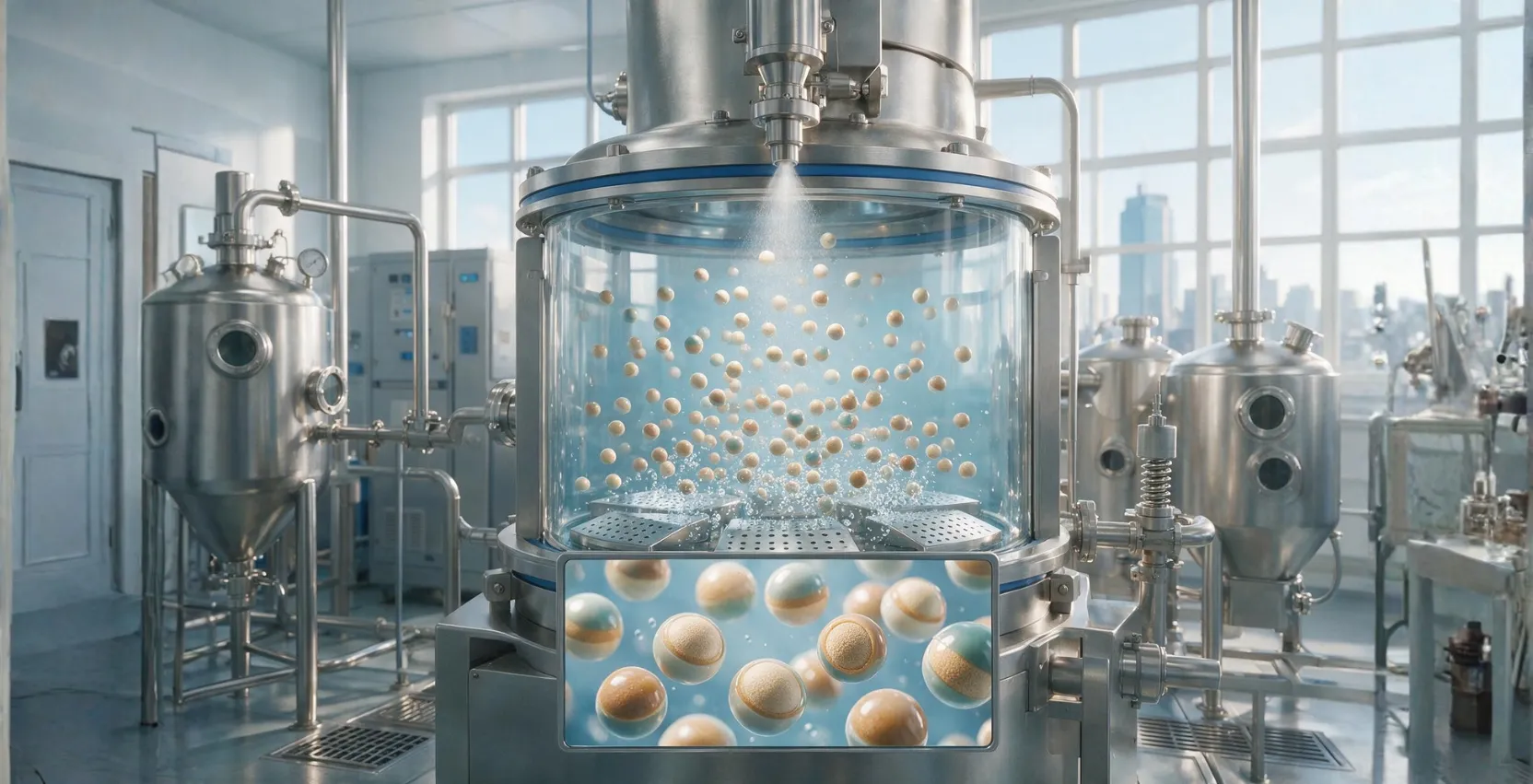
Aishwarya Salunkhe
14 July 2026
Explore five common challenges in pharmaceutical pellet manufacturing, from pellet size and drug loading to coating, API protection, and scale-up.
Read More →

Aishwarya Salunkhe
14 July 2026
Discover why multiparticulate drug delivery systems are gaining popularity, offering better drug distribution, controlled release, stability, and formulation flexibility.
Read More →
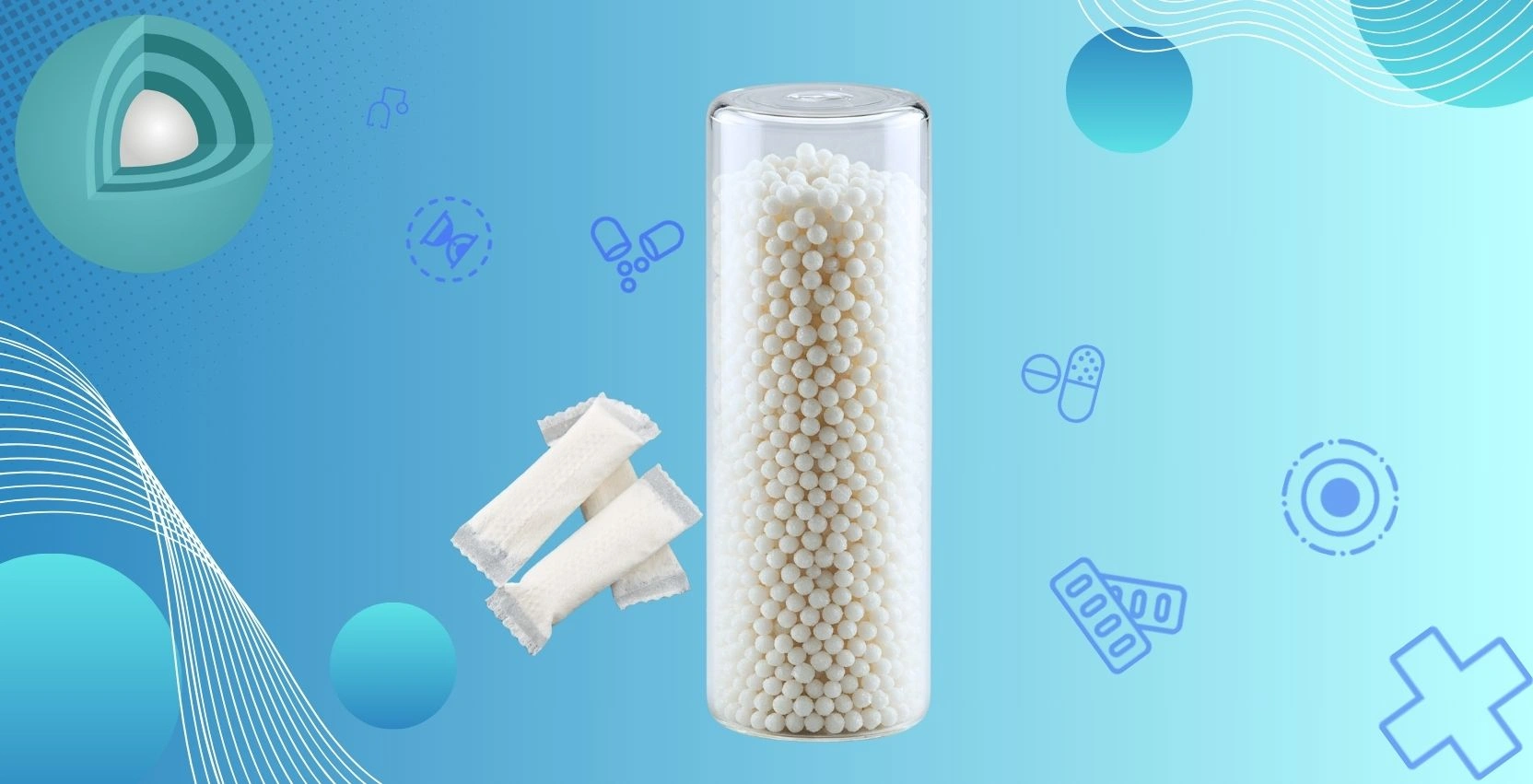
Aishwarya Salunkhe
02 February 2026
Explore the benefits of MCC spheres in nicotine pouches! Achieve a satisfying, smoke-free lifestyle with innovative design and superior taste.
Read More →
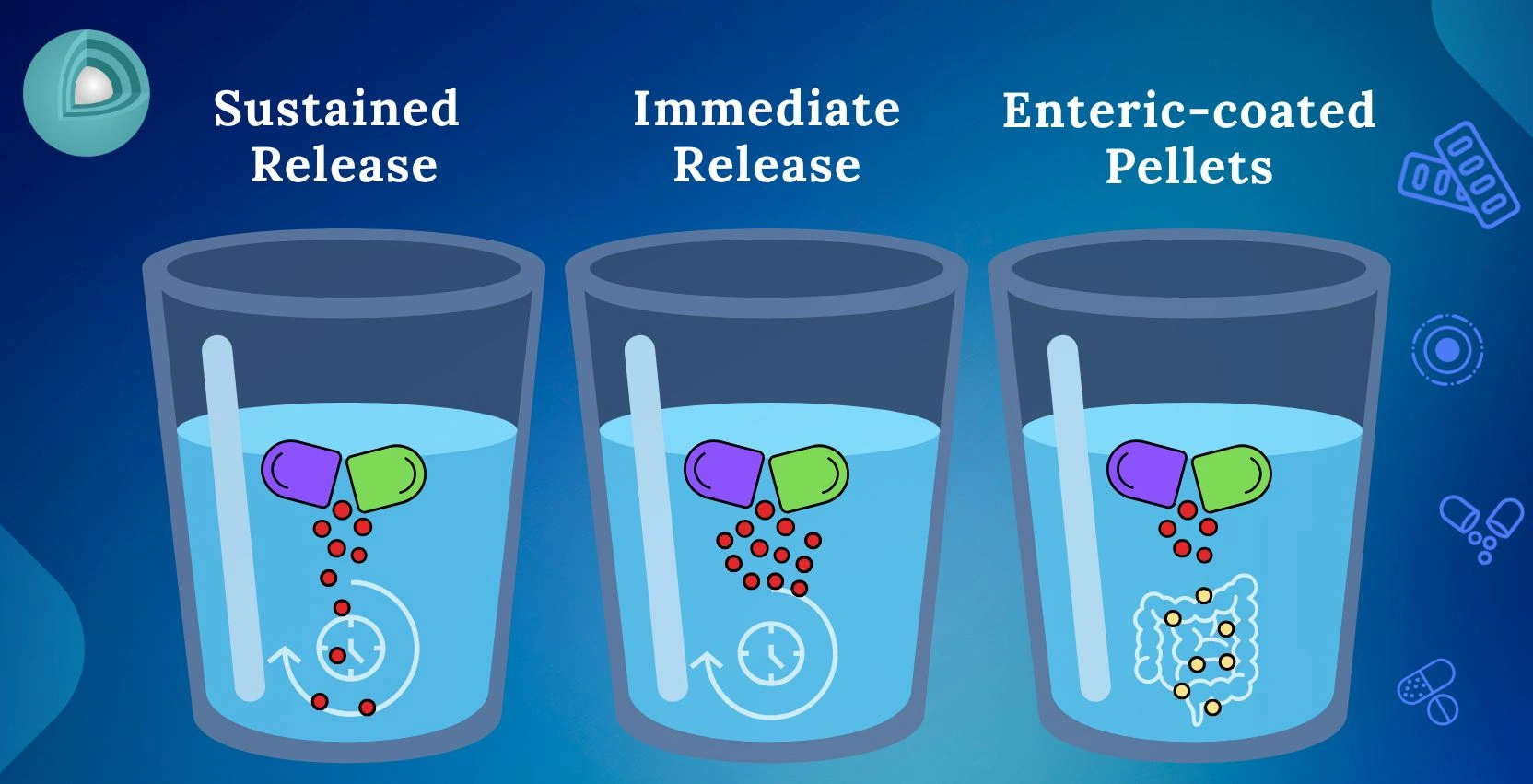
Aishwarya Salunkhe
02 February 2026
Learn the key differences between sustained release, immediate release, and enteric-coated pellets in oral drug delivery systems for better patient outcomes.
Read More →
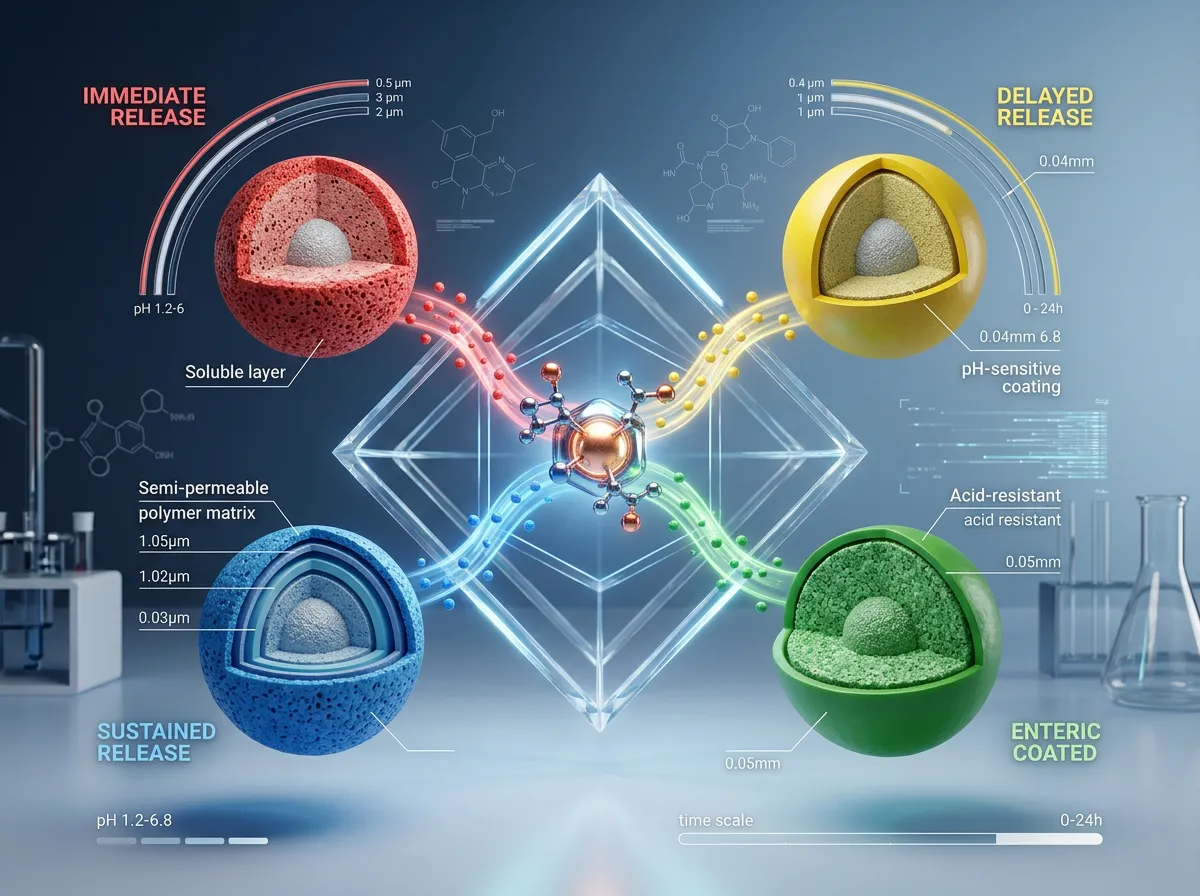
Aishwarya Salunkhe
03 September 2026
Learn why a single API requires different release technologies. Explore how pellet technology enables Immediate, Sustained, Delayed, and Enteric-Coated profiles.
Read More →
Aishwarya Salunkhe
14 July 2026
Discover why multiparticulate drug delivery systems are gaining popularity, offering better drug distribution, controlled release, stability, and formulation flexibility.
Read More →

INDIA - CORPORATE OFFICE
Unit No. 1, 2nd Floor, Vicino (Mega Mall), New Link Rd, Oshiwara, Andheri West, Mumbai, Maharashtra, India. 400102
MANUFACTURING FACILITY
Unit No. 1, Survey No. 52/2, NH8, Shirsad, Vajreshwari Road, Opp. Mandvi Police Station, Village - Mandvi, Taluka- Vasai, District- Palghar 401 303, India.