Learn how Pancreatin EC Pellets overcome acid sensitivity, enhance enzyme stability, improve intestinal targeting, and support scalable pharmaceutical manufacturing.
Written By
Aishwarya Salunkhe
Published on
14 July 2026
Tags
Think of putting countless years of research into creating a digestive health formula with an effective blend of enzymes, only to find out that a considerable portion of the activity will be lost before reaching the target destination. This is the problem many companies have faced while using Pancreatin.
Pancreatin is a high-efficiency digestive enzyme complex made up of lipase, amylase, and protease, involved in the digestion of fats, carbohydrates, and proteins. Nonetheless, while Pancreatin is valuable from a therapeutic standpoint, its formulation into an effective dosage form presents a few technical challenges.
Pharmaceutical companies need to ensure that not only is Pancreatin incorporated into the dosage form, but it also retains its enzymatic activity.
Pancreatin is highly sensitive to surrounding conditions. Enzyme activity can decrease without proper protection, reducing the medication's effectiveness.
Sensitivity to Stomach AcidsOne of the major obstacles to development is Pancreatin's sensitivity to stomach acid. In the acidic environment of the stomach, digestive enzymes can denature and lose their activity before reaching the intestine.
Enzyme Activity During the Production ProcessProcesses involving heat, moisture, and mechanical stress can negatively affect enzyme activity. Proper production processes are necessary to maintain the enzyme's activity.
Concerns Regarding Shelf LifeDigestive enzymes are delicate compounds with respect to moisture and environmental conditions. Enzyme degradation can occur during the product's shelf life, reducing efficiency.
Consistent Release of the MedicationA manufacturer should ensure consistent release of the medication at the correct location in the gastrointestinal tract.
Need for Delivery Systems with Special DesignTo overcome these difficulties, pharmaceutical manufacturers have begun using pellet designs that protect enzymes while delivering them effectively. Here lies the strength of Pancreatin Enteric-Coated (EC) Pellets. EC pellets ensure the protection of enzymes and their controlled delivery.
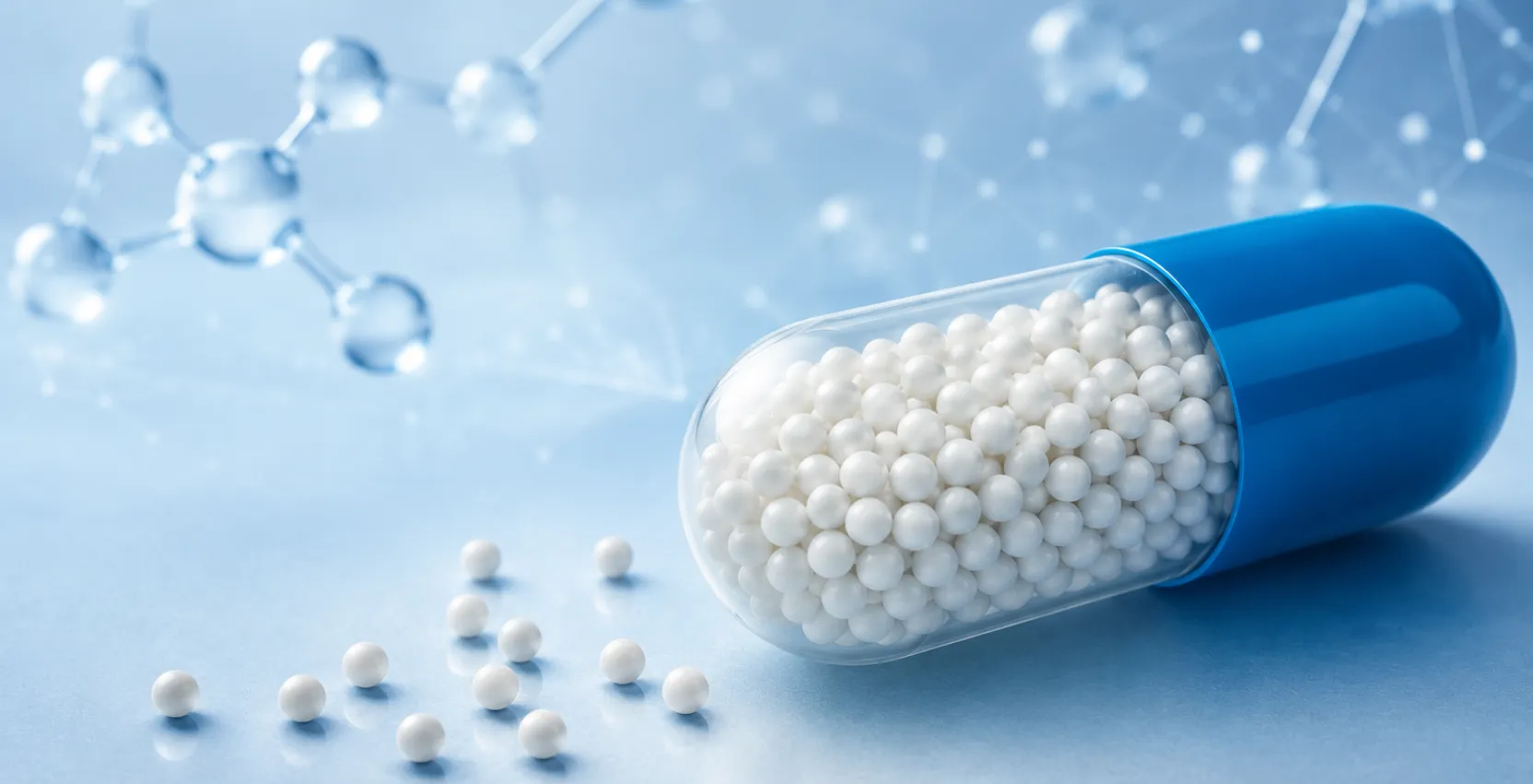
Pancreatin EC Pellets – What Are These?Pancreatin EC Pellets are multiparticulate systems in which Pancreatin is loaded onto pellet cores and enteric polymers coat the system.
The enteric coating does not dissolve in the acidic environment of the stomach and dissolves only when it reaches the intestine, whose pH is more alkaline than that of the stomach.
The encapsulation of polymers and enteric coating serves as a protective shield that prevents the enzyme from being degraded in the stomach and maintains its enzymatic activity until intestinal delivery.
Improved StabilityThe use of modern coating techniques can provide better protection for Pancreatin against moisture, heat, humidity, and other environmental conditions, thereby improving the product's stability.
Intestinal TargetingThe release of the pancreatin enzyme is intended in the intestine for effective results; using pancreatin EC beadlets allows for greater efficacy, bioavailability, and efficiency of its activity.
Uniform DispersabilityBecause of their multiparticulate form, the Pancreatin EC Pellets will be more dispersible throughout the gastrointestinal tract.
Flexibility of FormulationsPancreatin EC Pellets can be incorporated into various pharmaceutical applications, including capsules, tablets, sachets, and other oral drug formulations.
Scalable ManufacturingPellet-based systems support efficient large-scale manufacturing while maintaining batch-to-batch consistency and quality.
It is no surprise that the pharmaceutical industry continues to evolve towards advanced multiparticulate delivery systems, given their ability to overcome many of the limitations of traditional dosage forms.
Customization OptionsPancreatin EC Pellets manufactured by Umang Pharmaceuticals are customizable in different particle sizes ranging from < 0.2 mm to 5.0mm.
For digestive enzymes, some of the benefits of using pellets include:Greater enzyme protection. Stability improvement. Reproducible release properties. Flexibility in formulation. Product differentiation.
This explains why Pancreatin EC Spheres is the favored option for manufacturers.
With the ever-increasing demand for digestive health products, it is becoming increasingly necessary for drug makers to develop stable, effective formulations.
Pancreatin Enteric-coated Pellets by Umang Pharmaceuticals provide a sophisticated means of delivering enzymes, helping overcome certain formulation issues and ensuring reliable product performance.
With the help of pelletization and enteric coating technologies, pharmaceutical companies can produce high-quality digestive enzyme products.
The production of Pancreatin is much more complicated than adding digestive enzymes into a dosage form. There are various challenges associated with acid sensitivity, stability, storage, and targeted delivery.
Umang Pharmaceuticals, a leading manufacturer and large-scale global supplier of Pancreatin EC Pellets, offers a way out by protecting enzymes and delivering them to the intestine for proper function. Pellet technology offers pharmaceutical companies producing quality digestive products an opportunity for future success.
Aishwarya Salunkhe
14 July 2026
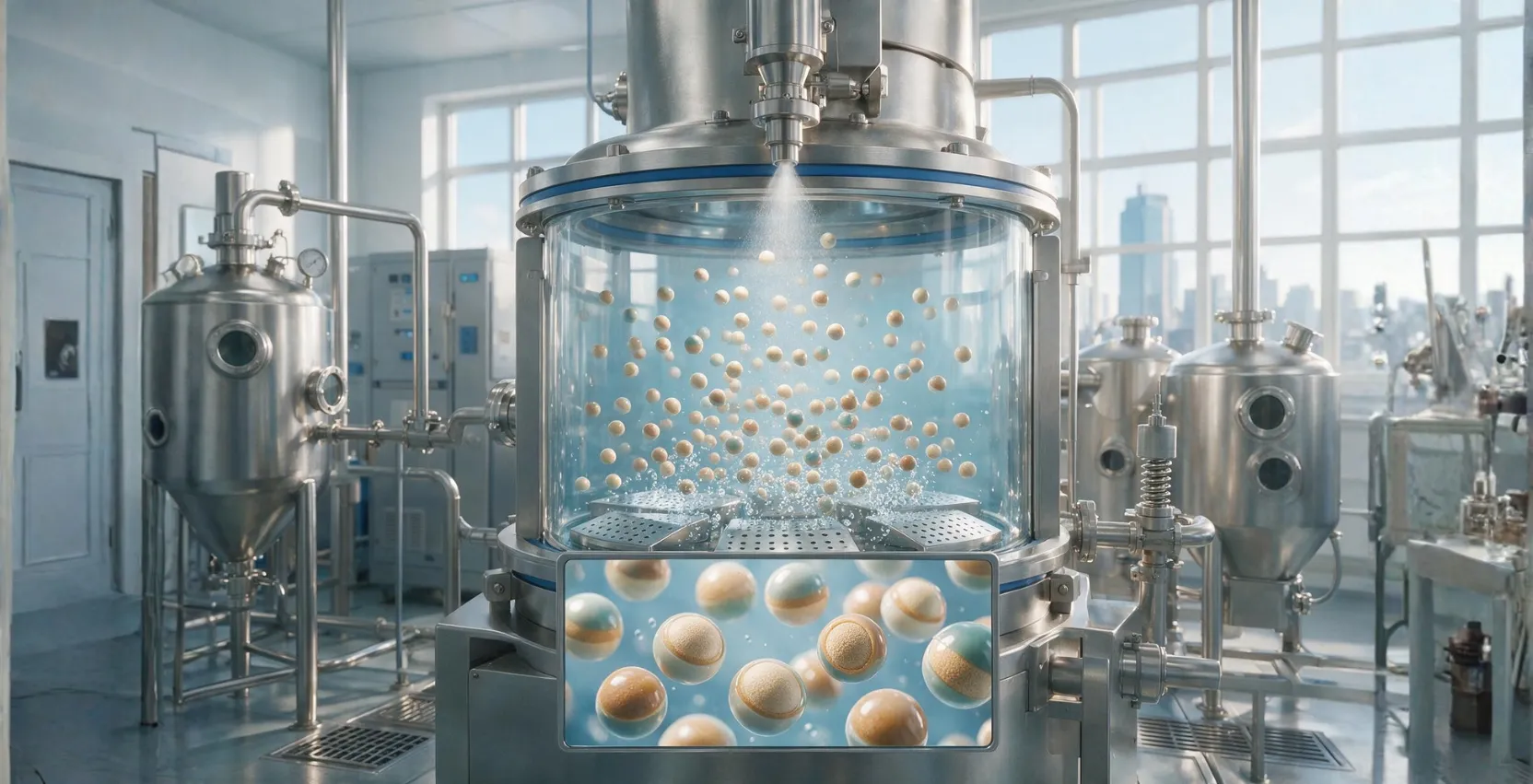
Explore five common challenges in pharmaceutical pellet manufacturing, from pellet size and drug loading to coating, API protection, and scale-up.
Read More →
Aishwarya Salunkhe
02 February 2026
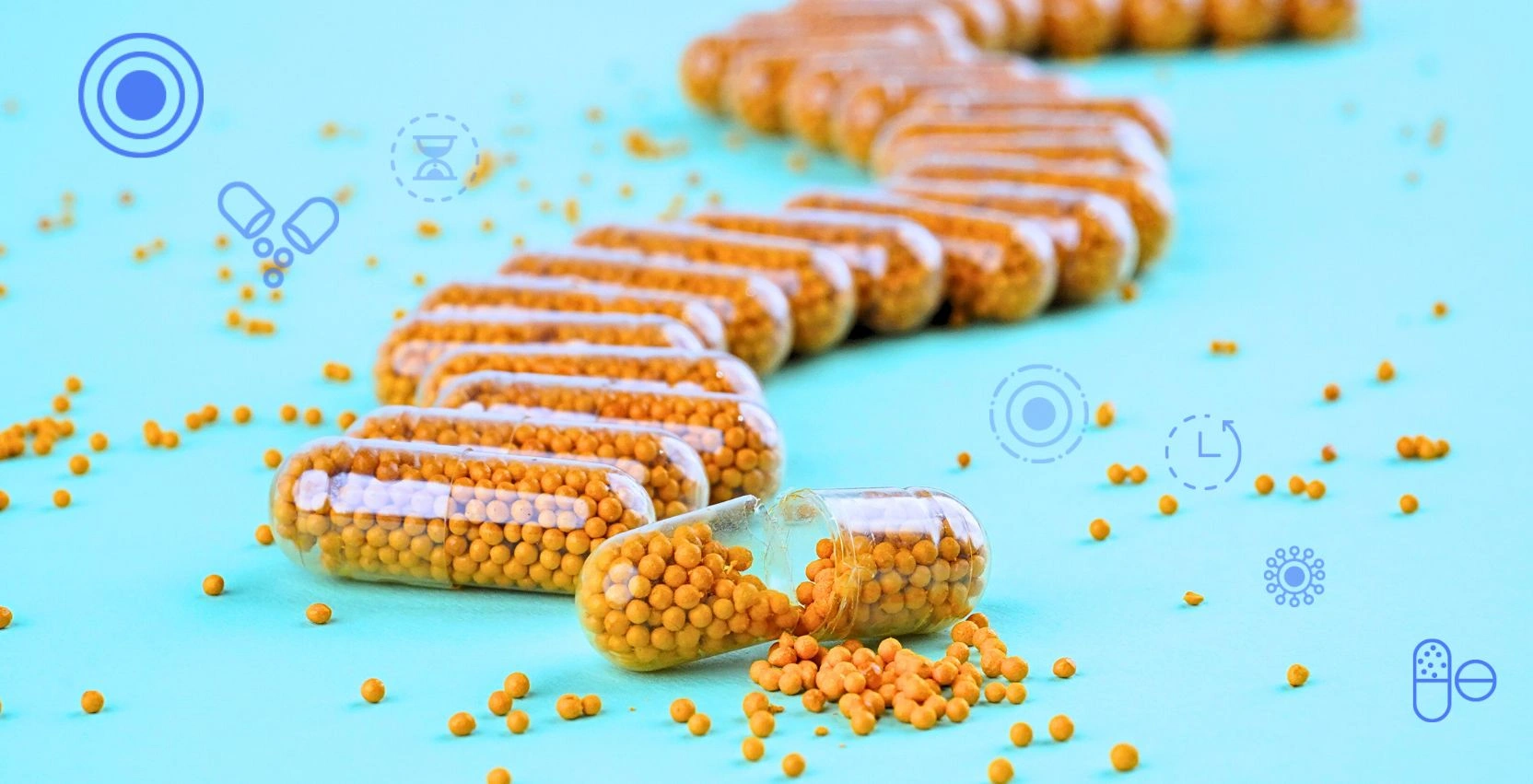
Explore how enteric-coated pellets protect active ingredients from gastric acid, resulting in optimum release and bioavailability in pharmaceutical formulations
Read More →

Aishwarya Salunkhe
14 July 2026
Discover why multiparticulate drug delivery systems are gaining popularity, offering better drug distribution, controlled release, stability, and formulation flexibility.
Read More →
Aishwarya Salunkhe
23 September 2026
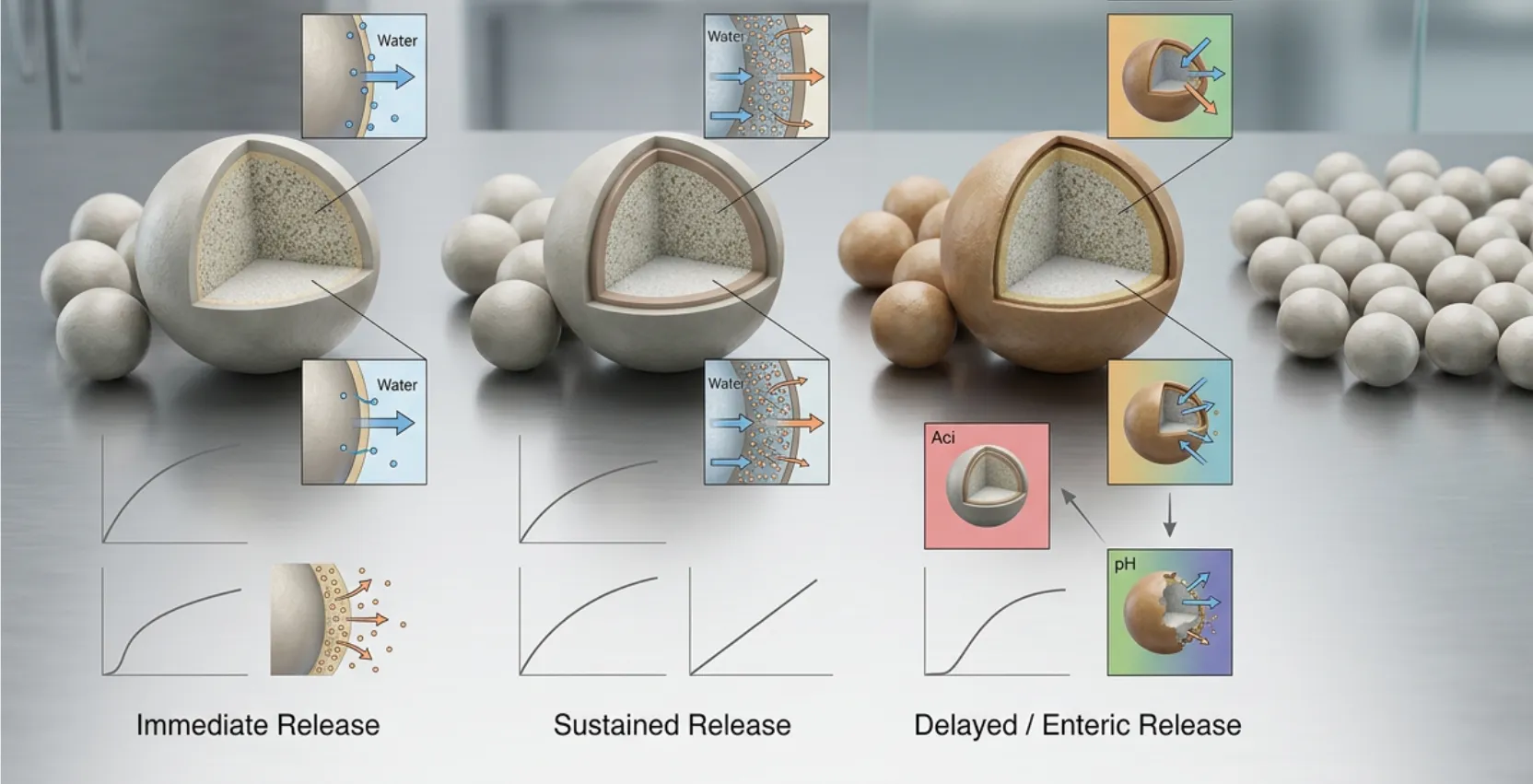
Discover how pellet architecture, polymers, coatings, particle structure, and processing can make the same API release differently in pharmaceutical pellets.
Read More →
Aishwarya Salunkhe
19 August 2026
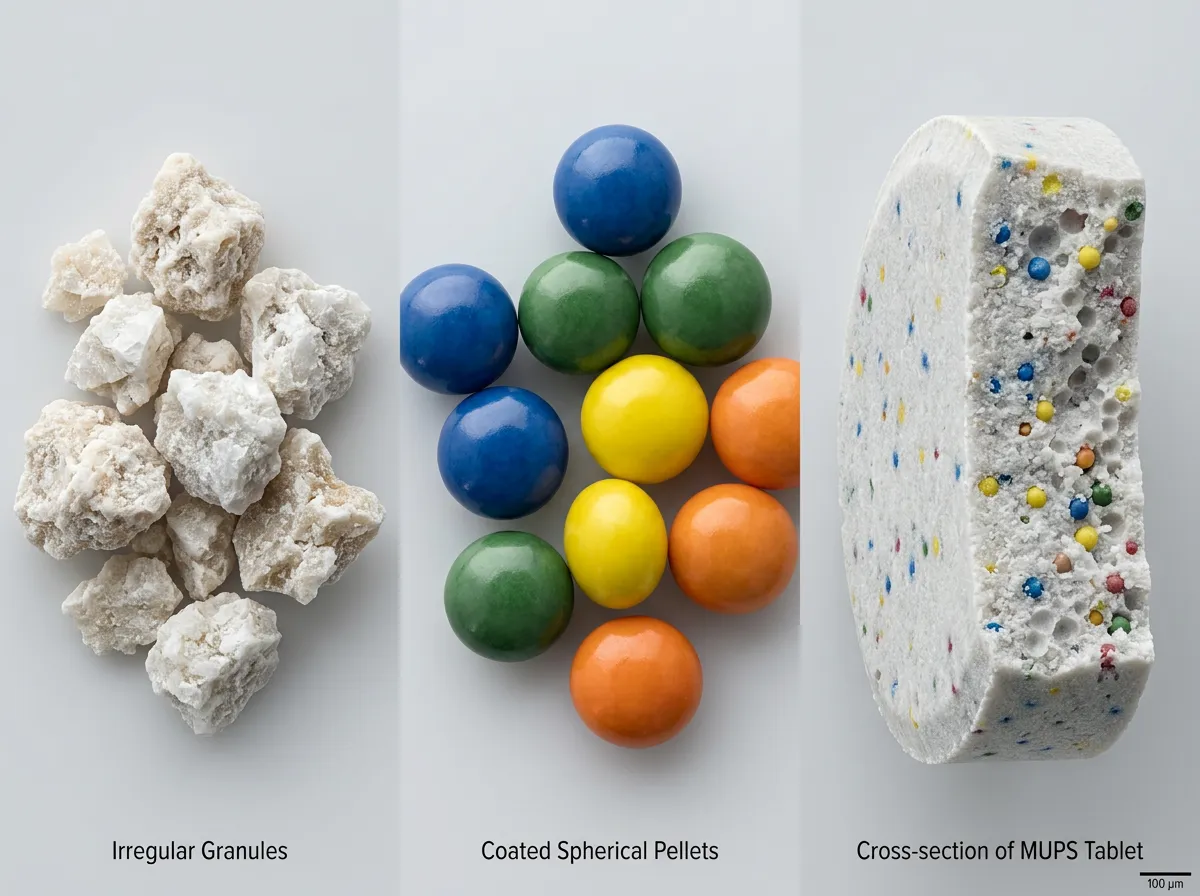
Discover the key differences between pharmaceutical pellets, MUPS, and granules. Learn about their manufacturing processes, shapes, and drug-release profiles.
Read More →
Aishwarya Salunkhe
14 July 2026
Learn how Pancreatin EC Pellets overcome acid sensitivity, enhance enzyme stability, improve intestinal targeting, and support scalable pharmaceutical manufacturing.
Read More →

INDIA - CORPORATE OFFICE
Unit No. 1, 2nd Floor, Vicino (Mega Mall), New Link Rd, Oshiwara, Andheri West, Mumbai, Maharashtra, India. 400102
MANUFACTURING FACILITY
Unit No. 1, Survey No. 52/2, NH8, Shirsad, Vajreshwari Road, Opp. Mandvi Police Station, Village - Mandvi, Taluka- Vasai, District- Palghar 401 303, India.